Trade Show Display Rentals: Cost-Effective Solutions
Trade show display rentals give exhibitors a practical way to create a polished, branded presence without committing to permanent booth ownership. For companies with changing event schedules, shifting campaign goals, or limited internal logistics support, renting can reduce upfront costs, simplify operations, and keep the booth experience fresh from show to show.
Instead of buying one exhibit and forcing it to work everywhere, rentals let you choose the size, layout, graphics, and accessories that fit each event. That flexibility is why many businesses use trade show booth rentals for product launches, regional events, market testing, and larger industry shows.
Why rent a trade show booth instead of buying one?
Renting a booth is often the smarter choice when your trade show needs are still evolving, your event calendar changes year to year, or you want to control costs without sacrificing presentation quality. Trade show display rentals can help you avoid major upfront investment, storage responsibilities, refurbishment costs, and the pressure of using the same booth design for every event.
Buying can make sense for companies with a consistent schedule, repeated booth size, and a long-term exhibit strategy. But many exhibitors do not have that kind of predictability. Startups may need compact 10×10 pop up trade show displays for one show and a larger island exhibit six months later. A growing brand may want to test several industries before deciding where to invest more heavily. In those cases, exhibit rentals provide room to adapt.
The practical advantage is simple: you can align the exhibit with the opportunity instead of shaping the opportunity around a booth you already own.
Lower upfront costs and fewer hidden expenses
One of the biggest benefits of trade show display rentals is budget control. Rental exhibits commonly cost less upfront than purchasing a comparable custom booth, and the savings become even more meaningful when you factor in the expenses that come after the initial purchase.
Ownership can bring ongoing costs such as:
- Storage: Booth structures, crates, graphics, counters, flooring, and lighting need a safe place between shows.
- Maintenance: Materials can wear down, hardware can break, and graphics may need replacement.
- Refurbishment: A booth that looked modern three years ago may need updates to stay visually competitive.
- Freight handling: Larger owned exhibits often require careful packing, shipping, and receiving.
- Design limitations: If your booth no longer matches your campaign, you may need costly revisions or new components.
With trade show booth rentals, many of these concerns are reduced because you are not managing a permanent asset. You can rent what you need for the current event and avoid paying to store or maintain an exhibit that may not fit the next one.
That does not mean rentals are automatically “cheap” or stripped down. A well-planned rental can look professional, branded, and substantial. The value comes from paying for the right experience at the right time, rather than locking capital into an exhibit that may sit unused.
Flexibility for different events, spaces, and goals
Trade shows are rarely identical. One event may call for a lean lead-generation setup, while another may require meeting space, demo stations, digital displays, and private conversations. Trade show display rentals make it easier to adjust your footprint and function based on the specific show.
Rental options can support a wide range of formats, including:
- 10×10 inline booths for smaller events, regional shows, or first-time exhibitors.
- 10×20 and 20×20 exhibits for brands that need more visibility, product displays, or meeting areas.
- Island exhibits for larger shows where traffic flow, height, and visibility matter.
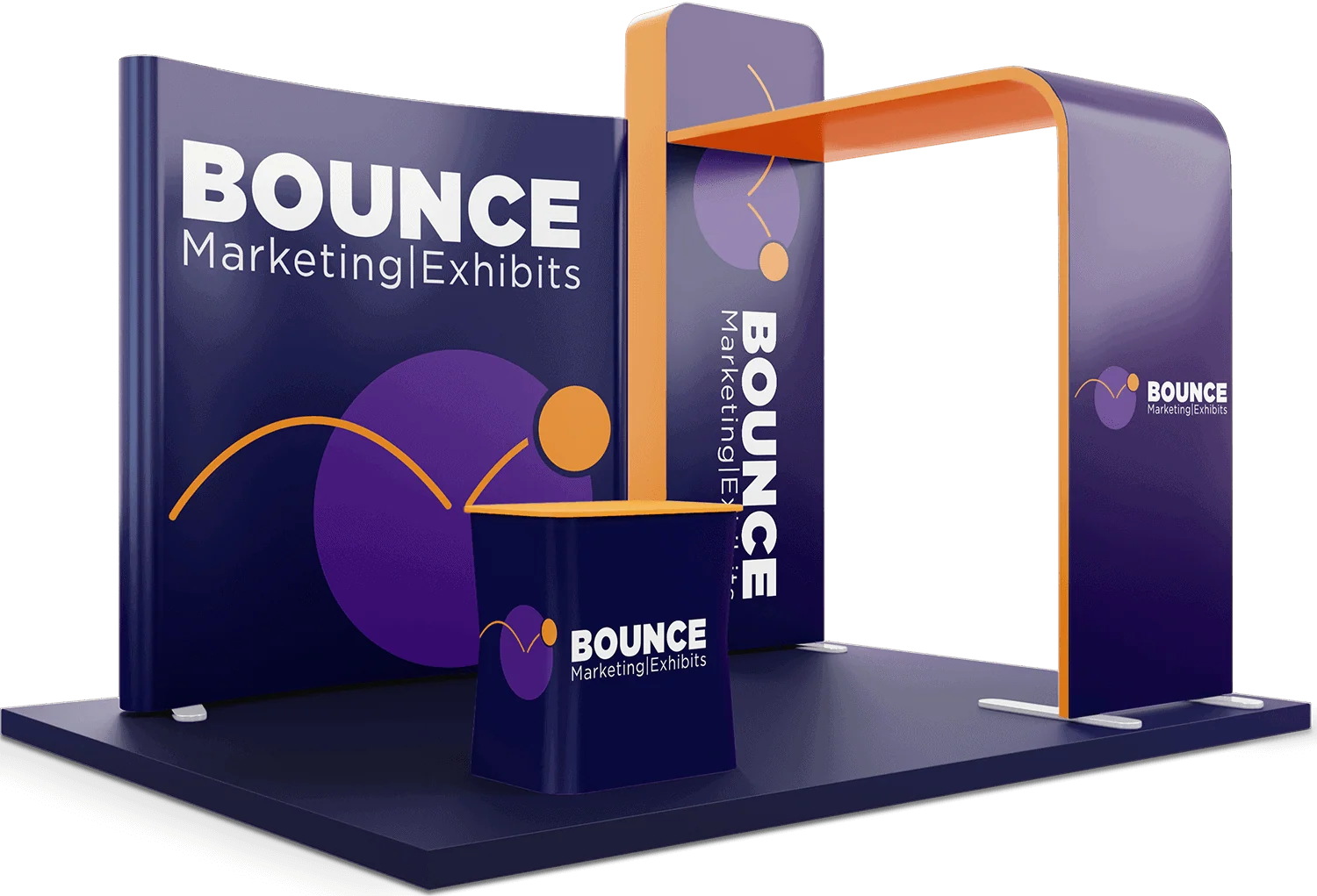
- Pop up trade show displays for portable, efficient setups that work well for quick-turn events.
- Modular rental systems that can be reconfigured for different booth sizes.
This flexibility is useful when your marketing team is testing new markets. Instead of buying a booth before you know which events will perform, you can rent, learn, and adjust. If a show becomes a priority, you may decide to scale up the next year. If another show delivers less value, you can step back without being tied to a large owned exhibit.
Rentals also help when a company’s message changes. A new product launch, rebrand, merger, or campaign theme may require different visuals and booth functions. Custom exhibit rentals allow you to create a fresh experience without starting from zero every time.
Can rental booths still look custom and high quality?
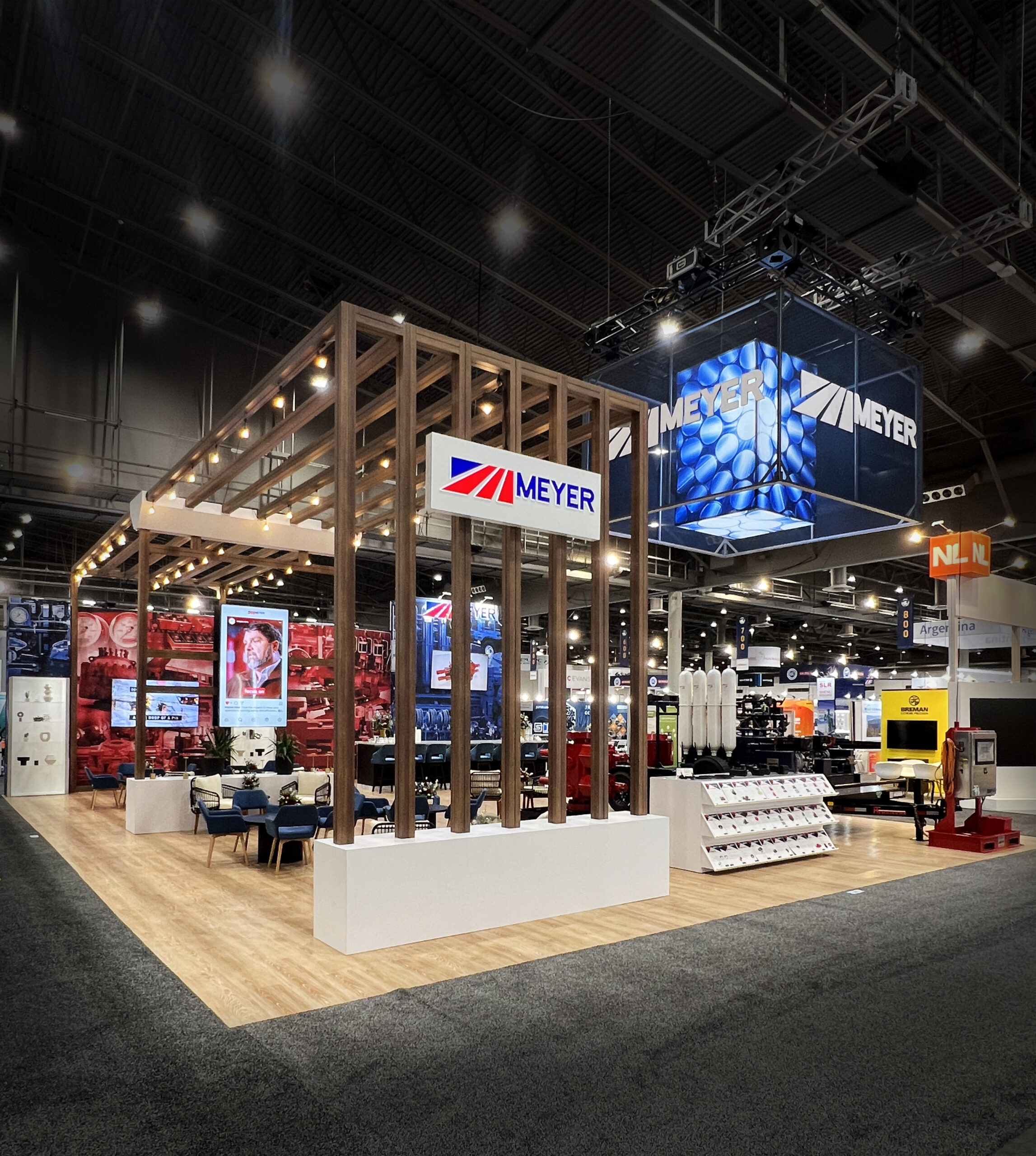
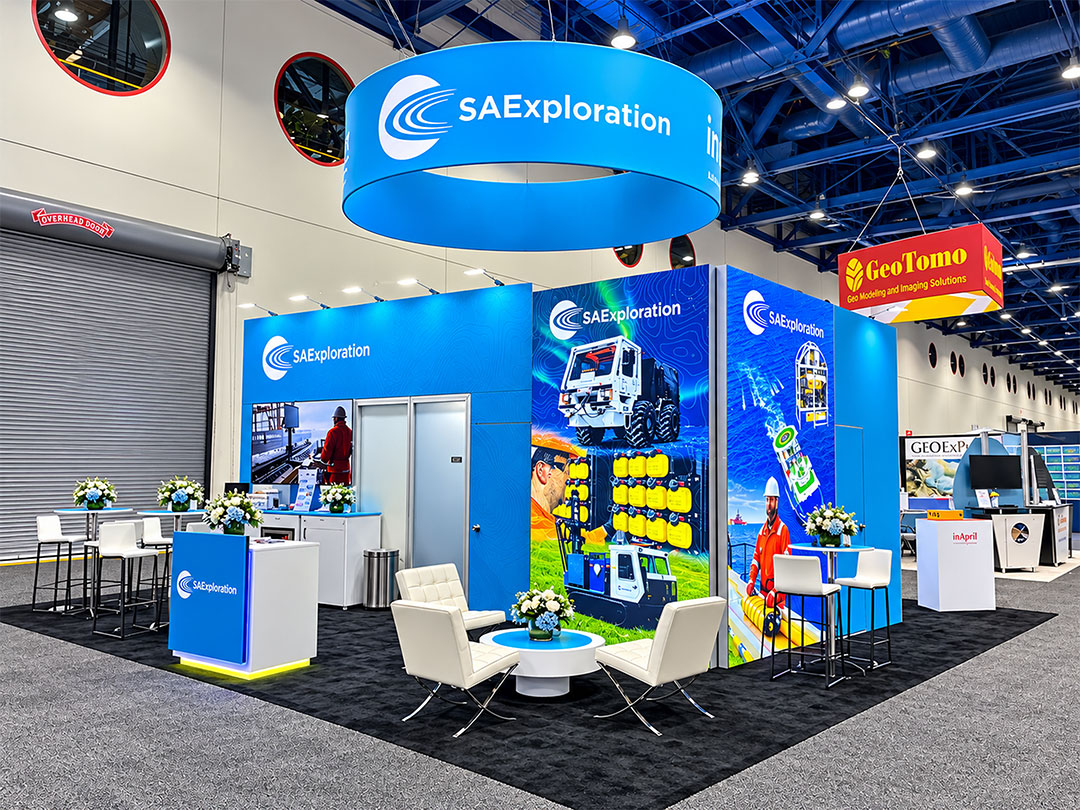
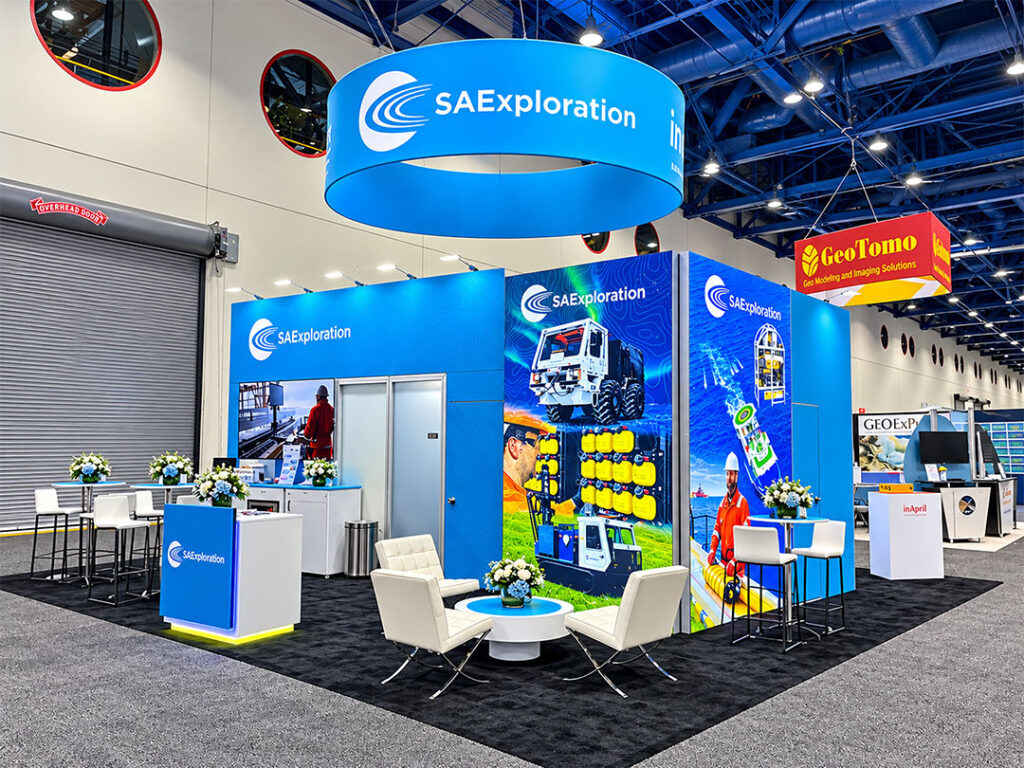
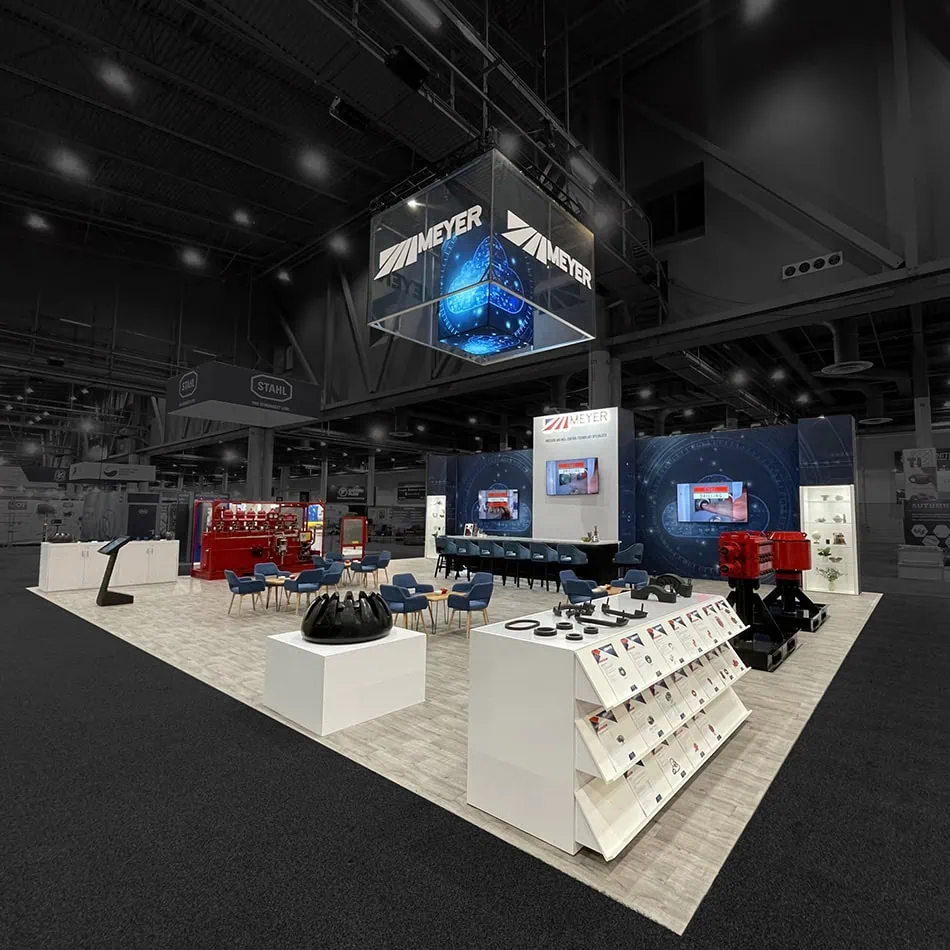
Yes, rental booths can look highly branded and polished when they are planned with the same care as a purchased exhibit. Modern custom exhibit rentals often use modular structures, custom graphics, lighting, counters, shelving, monitors, kiosks, and other accessories to create a booth that feels specific to the brand.
The key is to think beyond the frame. The structure matters, but the visitor’s impression is shaped by graphics, lighting, layout, product placement, messaging, and how easy the booth is to enter and understand. A rental exhibit with strong design can feel more effective than an owned booth that is outdated or poorly matched to the event.
Common customization options include:
- Brand graphics Large-format graphics, fabric panels, backlit elements, and header signs can turn a rental structure into a branded environment.
- Functional zones You can plan areas for demos, lead capture, consultation, storage, sampling, or private meetings.
- Technology integration Screens, charging stations, interactive displays, or product videos can help explain complex offerings and hold attention.
- Furniture and counters Reception counters, workstations, seating, and storage cabinets make the booth more practical for staff and more inviting for visitors.
- Lighting and visual depth Integrated lighting can highlight products, improve readability, and help the booth stand out on a crowded floor.
For exhibitors considering trade show display rentals Houston or other regional markets, customization is especially useful because local and national shows may attract different audiences. A booth used for an energy, healthcare, manufacturing, or technology event may need a different message, layout, or product emphasis.
Easier logistics before, during, and after the show
A successful trade show is not just about the booth design. It is also about getting everything to the venue, installed correctly, ready on time, and removed after the show closes. For many teams, logistics are the most stressful part of exhibiting.
Rental programs can reduce that burden. Depending on the provider and service level, support may include design consultation, pre-show staging, shipping coordination, installation guidance, dismantle support, and post-show return handling. Some companies also offer preview processes so exhibitors can review the display before it ships.
That operational support matters because internal marketing teams are often managing many things at once: travel, appointments, product samples, staff schedules, promotional materials, lead capture tools, and follow-up plans. The more a rental partner can handle, the more your team can focus on engaging visitors.
Here is a practical logistics checklist to use before renting:
- Confirm booth size, venue rules, height restrictions, and show deadlines.
- Decide whether you need installation and dismantle support.
- Review what is included in the rental package and what costs extra.
- Ask how graphics are produced, reviewed, shipped, and stored if reused.
- Clarify who coordinates freight, material handling, and return shipping.
- Schedule enough time for design approvals and artwork preparation.
- Make sure staff know the booth layout before arriving on site.
This checklist helps prevent common surprises. Even with rentals, deadlines and show rules still matter. The best results come from combining flexibility with disciplined planning.
A better fit for changing trade show programs
Many businesses do not exhibit the same way every year. Budgets shift, target markets change, product lines expand, and leadership may want to test new event strategies. Trade show display rentals make it easier to build a program around current goals instead of past decisions.
For example, a company may use pop up trade show displays for smaller regional events while renting a larger custom booth for a national conference. Another business may rent for the first year to evaluate audience quality, lead volume, and booth traffic before deciding whether to buy. A more established exhibitor might own core branded elements but rent accessories, meeting rooms, counters, or larger structures when needed.
This hybrid approach can be especially effective. You do not have to choose between ownership and renting forever. Some teams use rentals to learn what layout works best, then purchase later with more confidence. Others continue renting because the ability to refresh the exhibit each year is more valuable than ownership.
Sustainability and smarter resource use
Renting can also support more responsible resource use. Because rental components are reused across multiple events and exhibitors, the same materials can serve many programs instead of being built for a single company and stored for long periods.
This does not make every rental automatically sustainable, and exhibitors should still ask about materials, shipping practices, packaging, and graphic reuse. However, renting can reduce the need to build new structures for every campaign. It can also encourage modular planning, where components are selected and adapted rather than discarded when the booth strategy changes.
For brands that care about sustainability messaging, the booth itself should align with that position. Reusing graphics where possible, choosing durable components, avoiding unnecessary waste, and planning efficient freight can all help make an exhibit program more thoughtful.
How to choose the right rental option
The right rental booth depends on your goals, not just your square footage. Before comparing trade show booths, start with what the exhibit needs to accomplish. Are you trying to generate leads, host meetings, demonstrate equipment, launch a product, recruit partners, or build brand recognition?
Use these decision criteria to narrow your options:
- Event importance: Invest more design effort in high-priority shows with strong audience fit.
- Booth traffic goals: Open layouts support walk-in engagement, while meeting-heavy goals may need seating and privacy.
- Product complexity: Technical products may require demo stations, monitors, storage, or trained staff zones.
- Brand expectations: Premium brands need materials, lighting, and graphics that support their positioning.
- Staff workflow: A beautiful booth still fails if staff cannot move, talk, store materials, or capture leads efficiently.
- Future use: If you attend multiple shows, ask whether graphics or modular elements can be reused or adapted.
When evaluating exhibit rentals, ask providers to explain what is standard, what is customizable, and what support is available. A good rental plan should make the booth easier to manage while still giving visitors a clear, memorable brand experience.
Renting keeps your exhibit strategy agile
Trade show display rentals are not just a budget alternative to buying. They are a strategic option for companies that need flexibility, professional design, and manageable logistics in a changing event environment.
Whether you need compact pop up trade show displays, scalable custom exhibit rentals, or larger trade show booth rentals for a major industry event, renting can help you match the display to the moment. For many exhibitors, that means less risk, fewer long-term obligations, and more freedom to create the right impression at every show.